Uncovering the Fashion Divide: Clothing Habits Across Generations in Tamil Nadu
- Dec 22, 2024
- 3 min read
Updated: Feb 8, 2025
Fashion in Tamil Nadu has changed dramatically over the years, shaped by culture, economy, and the preferences of different generations. By examining the clothing habits of Baby Boomers, Millennials, and Gen Z, we gain insight into how each group expresses its identity and values through fashion. This post explores the diverse dressing styles among men and women across these generations in Tamil Nadu.
Baby Boomers: Traditional Meets Modern
Baby Boomers, born between 1946 and 1964, experienced a fashion landscape dominated by traditional attire. Women typically wore beautiful silk sarees, often embellished with intricate embroidery and paired with elegant blouses. For example, a classic Kanjivaram silk saree would be a staple in their wardrobe, reflecting the rich heritage of Tamil Nadu. Men, meanwhile, embraced dhotis and formal shirts, maintaining a strong connection to cultural traditions.

As urban lifestyles emerged, many Baby Boomers began to blend Western attire into their wardrobes. Women started wearing dresses and skirts, while men opted for trousers paired with casual shirts. According to surveys, roughly 40% of Baby Boomers now incorporate Western styles into their clothing choices. This mixture of tradition and modernity showcases this generation’s adaptability and willingness to embrace change.
Millennials: Embracing Individuality
Millennials, born between 1981 and 1996, take a different approach to fashion. Their style is all about individuality and self-expression. For instance, women might wear a traditional kurta with a pair of jeans, or pair a saree with a trendy crop top. This generation frequently experiments with various colors, patterns, and accessories, moving away from conventional norms. A recent survey found that over 60% of Millennials prefer to combine traditional and modern styles in their outfits.
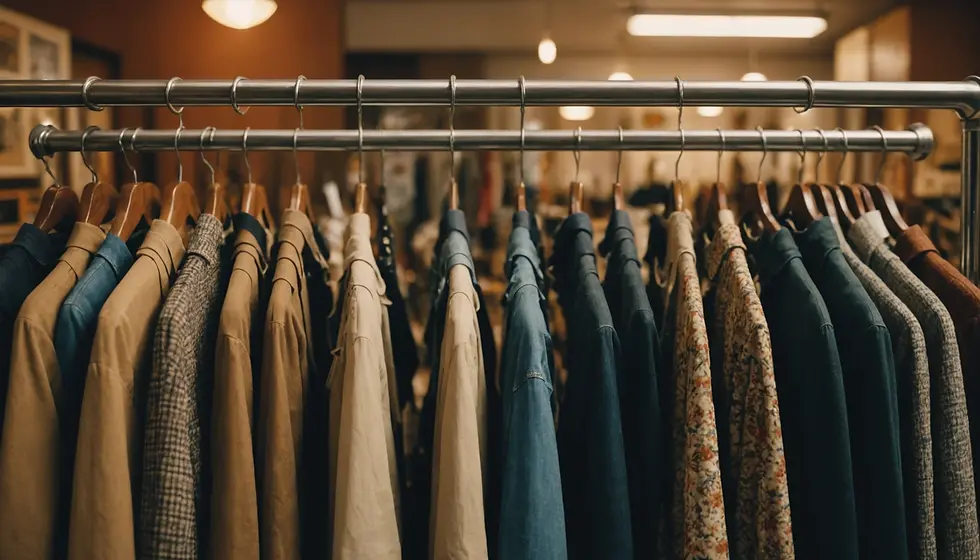
Men in this generation lean towards casual styles, favoring T-shirts, denim, and athleisure wear. The rise of online shopping has transformed their fashion habits, providing easy access to global trends and local crafts. A report from a leading fashion outlet indicated that Millennials are more inclined to support regional artisans, with 50% actively seeking out ethical and locally-sourced fashion.
Gen Z: The Streetwear Revolution
Gen Z, born between 1997 and 2012, has cultivated a unique fashion identity that prioritizes comfort and boldness. Their style often revolves around streetwear, where they mix and match various influences. Women within this group frequently wear oversized hoodies with leggings and chunky sneakers, while men favor graphic tees and joggers. This combination creates a casual yet trendy look, perfectly suited for their fast-paced lives.
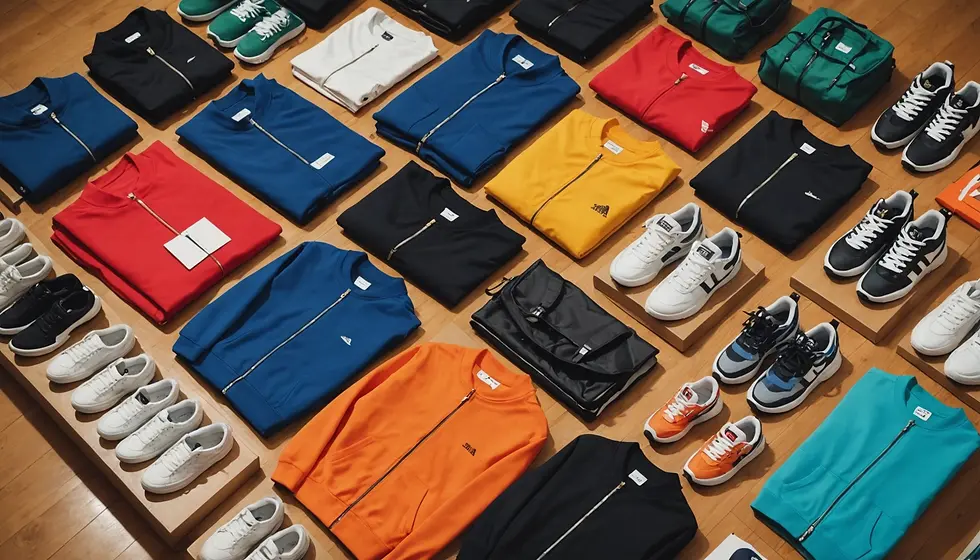
Social consciousness also shapes Gen Z’s clothing choices. Many opt for sustainable brands or prefer thrift shopping, showcasing a clear shift toward eco-friendly fashion. Social media plays a major role in their fashion outlook, with platforms like Instagram influencing trends. Studies show that around 70% of Gen Z consumers are more likely to choose brands that prioritize sustainability.
Reflection on fashion generation
Fashion in Tamil Nadu reflects the unique values and preferences of each generation. From the traditional styles of Baby Boomers to the innovative blends of Millennials and the bold risks taken by Gen Z, each group provides a distinct perspective on clothing. Understanding these differences not only highlights the evolution of fashion but also reveals the cultural dialogues within Tamil society. As trends continue to change, the role of attire as a means of self-expression and cultural representation remains significant.



Comments