Exploring Pet Preferences Across Generations: A Unique Perspective from Tamil Nadu Professionals
- Feb 8, 2025
- 3 min read
Have you ever wondered how our furry friends and other beloved pets reflect the values and lifestyles of different generations? In Tamil Nadu, the pet choices of Baby Boomers, Millennials, and Gen Z illustrate a fascinating transformation shaped by social change, economic influences, and personal priorities. Each generation has its own unique view on pets, demonstrating how our relationships with these animals evolve over time.
Baby Boomers: Traditional Ties to Livestock
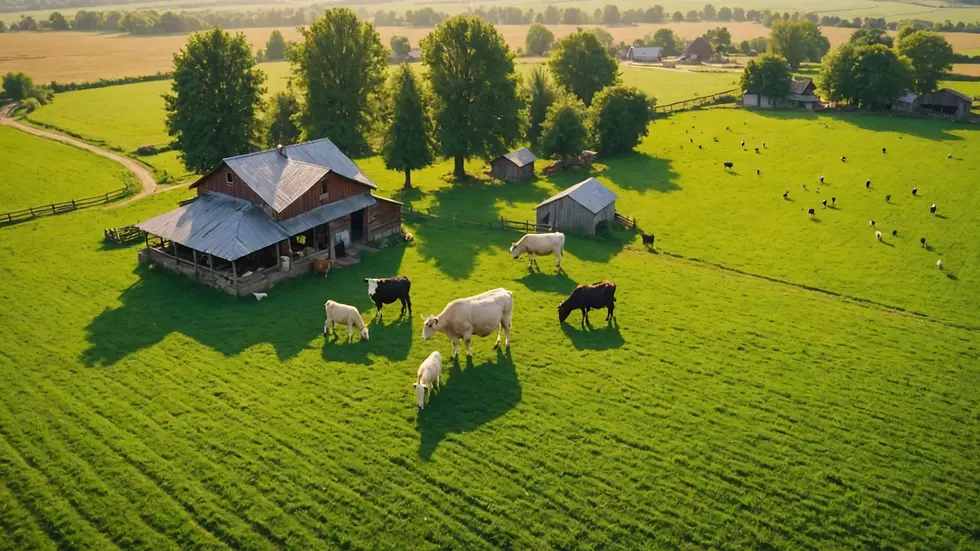
Baby Boomers in Tamil Nadu often gravitate towards livestock, particularly cows, hens, and goats. This preference connects directly to their agricultural heritage, emphasizing practicality and sustenance. For many Boomers, growing up in rural households where livestock represented not just pets but crucial sources of income formed deep, lasting relationships.
For instance, a typical family would depend on cows for daily milk production, hens for fresh eggs, and goats for meat. According to a local agricultural report, about 70% of families in rural Tamil Nadu still rely on livestock for a portion of their income. This longstanding bond illustrates how pets can fulfill roles beyond companionship, intertwining with livelihood and life skills.
Millennials: Balancing Tradition and Modern Life
As we shift to the Millennial generation, we observe a significant change in pet choices. Millennials are increasingly favoring dogs, alongside retaining an interest in cows. This generation emphasizes the companionship aspect of pets, finding loyalty and emotional support in their canine friends.
In urban settings, many Millennials maintain connections to their roots by keeping cows, either for their milk or as a link to their heritage. Interestingly, a survey found that over 50% of Tamil Millennials who own pets report feeling a greater sense of emotional stability and happiness with dogs. This generation adeptly blends traditional agricultural values with modern lifestyles, seeking pets that resonate with both their past and present.

Gen Z: Small Pets for a Fast-Paced World
Gen Z is making waves with their pet preferences, favoring smaller and more manageable companions like dogs and fish. The size and nature of these pets align seamlessly with their busy, often urban lifestyles where space may be limited. Many young adults enjoy the emotional joy of a dog without the heavy commitments that come with larger livestock.
A 2022 study showed that 75% of Gen Z pet owners choose dogs for companionship, while 40% keep fish for their calming effect. The selection of pets by Gen Z not only reflects their lifestyle needs but also their heightened awareness of mental wellness. For instance, the soothing presence of a fish tank can reduce daily stress, mirroring a lifestyle focused on both connection and tranquility.
Conclusion: Evolving Relationships with Pets
Animal companionship in Tamil Nadu illustrates a profound evolution in personal preferences that matches broader societal changes. Baby Boomers maintain their deep agricultural roots through livestock, while Millennials find harmony in blending tradition with the emotional benefits of dogs. Meanwhile, Gen Z opts for smaller pets that fit into their fast-paced lives while also enhancing their mental well-being.
This exploration of pet preferences teaches us valuable lessons about how our relationships with animals can reflect the changing dynamics of society. Each generation is uniquely defining its relationship with pets, contributing to the rich tapestry of life in Tamil Nadu. Knowing these trends helps us appreciate the deeper connections we form with our pets, revealing insights about who we are as individuals and as a community.



Comments