Exploring the Evolution of Kitchen Structures in Tamil Nadu across Generations: A Comparative Analysis from Baby Boomers to Gen Z
- Feb 8, 2025
- 3 min read
The kitchen, often seen as the heart of the home, is where meals are prepared, families unite, and memories are created. In Tamil Nadu, the evolution of kitchen designs mirrors social changes that have unfolded over generations. By examining the kitchen styles of Baby Boomers, Millennials, and Gen Z, we can pinpoint the shifts in design, functionality, and cultural significance in Tamil Nadu.
Baby Boomers: Traditional and Functional
The Baby Boomer era, spanning from the mid-1940s to the mid-1960s, defined kitchens in Tamil Nadu with a strong emphasis on tradition. Typically, these kitchens were separate from living areas. They showcased a rich use of wood and clay materials, illustrating a lasting connection to heritage.
Functional aspects were paramount, with traditional cooking approaches that included clay stoves, known locally as kudams, and open hearths. Statistics indicate that about 70% of households in this era used these traditional methods for cooking. The kitchens were adorned with hand-crafted wooden cabinets featuring intricate carvings that reflected local artistry.
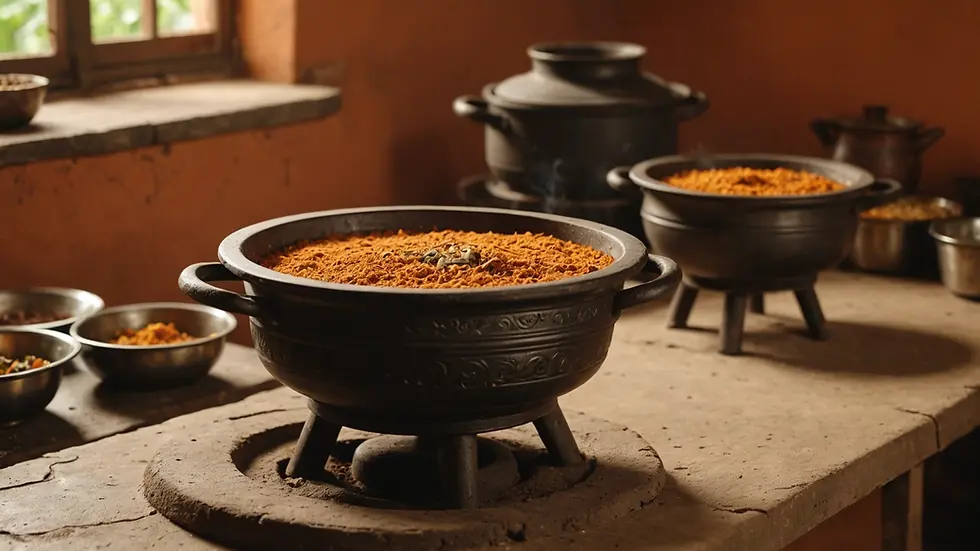
This era positioned the kitchen as a hub for family gatherings. It was common to see families coming together, sharing recipes that had been passed down for generations, reinforcing the communal nature of Tamil cuisine.
Millennials: Modernization and Adaptability
With the rise of urbanization, Millennials, born between the early 1980s and late 1990s, ushered in significant changes to kitchen design in Tamil Nadu. This generation favored open-plan layouts where kitchens flowed into living spaces, increasing functionality and social interaction.
Millennial kitchens were more than just cooking spaces. They often featured modern appliances like microwaves, induction cookers, and sleek gas stoves, which improved cooking efficiency. A survey found that 65% of Millennials preferred kitchens with a minimalist aesthetic, using materials such as stainless steel and glass, symbolizing a blend of modern convenience and traditional values.
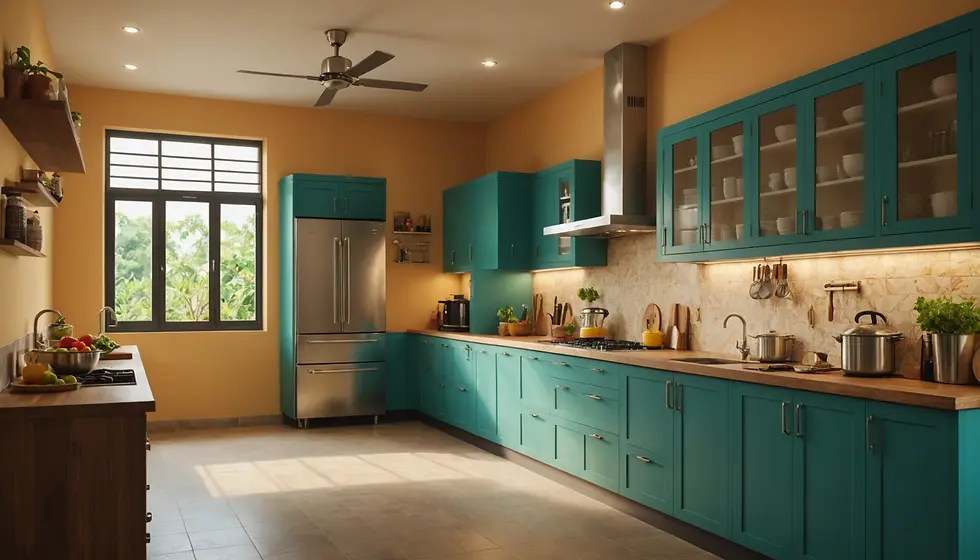
The shift fostered inclusivity in meal preparation. Families began collaborating more in the kitchen, creating a shared and enjoyable cooking experience. For instance, it became common for parents and children to cook together, strengthening family bonds.
Gen Z: Sustainability and Technology
Gen Z, born from the late 1990s onward, is setting new standards for kitchen innovation in Tamil Nadu. They prioritize sustainability, often opting for eco-friendly materials and energy-efficient appliances. A notable 78% of Gen Z consumers report a strong preference for kitchens that minimize environmental impact.
Technology plays a central role in Gen Z kitchens. Features such as smart ovens and voice-activated kitchen assistants are becoming essential. These innovations not only bring convenience but also enhance efficiency, making meal preparation swift and enjoyable.

Gen Z kitchens are designed with health and sustainability in mind. For example, many households are incorporating vertical gardens for fresh herbs and vegetables, allowing families to enjoy home-grown produce while being environmentally conscious.
Reflecting Generational Changes
The evolution of kitchens in Tamil Nadu reveals a rich tapestry of cultural shifts and technological progress. From the traditional setups favored by Baby Boomers to the more adaptive and sustainable models embraced by Millennials and Gen Z, each generation has transformed how we approach cooking and family interaction.
Looking into the future, it is fascinating to consider how kitchens will continue to evolve. Each generation shapes this vital space, ensuring that the kitchen remains a reflection of our values, innovations, and connections to one another. As lifestyles change, so too will the heart of our homes, embodying the spirit of those who inhabit them.



Comments