Exploring the Evolution of Healthcare Preferences Among Tamil Nadu Generations: Traditional Herbs vs. Modern Medicine
- Dec 23, 2024
- 3 min read
Updated: Feb 8, 2025
Healthcare practices have changed dramatically over the years, especially in Tamil Nadu. This shift is particularly noticeable among three generations—Baby Boomers, Millennials, and Gen Z—each showcasing distinct preferences and approaches to health and medicine. In this post, we will explore these differences, highlighting how various generations incorporate both traditional herbal remedies and modern medical practices in their healthcare decisions.
Baby Boomers: A Reliance on Traditional Herbs
The Baby Boomer generation, born between 1946 and 1964, grew up in an era where traditional herbs were essential to health and wellness in Tamil Nadu. With limited access to medical facilities, especially in rural areas, many turned to the wisdom cultivated by their families.
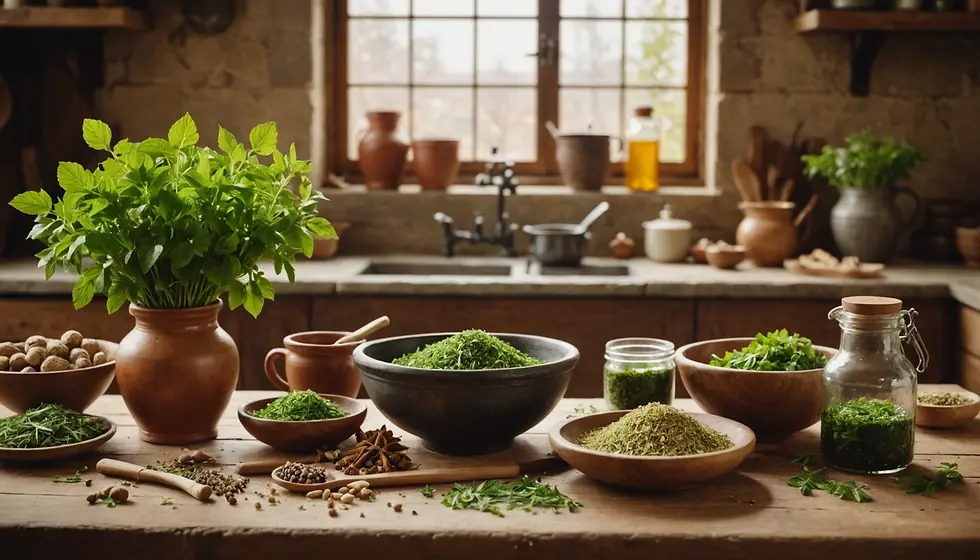
Common herbs such as turmeric, known for its anti-inflammatory properties, neem, often used for its antibacterial effects, and tulsi, valued for its stress-relieving qualities, formed the basis of their healthcare routines. According to a survey, more than 60% of Baby Boomers reported relying on herbal remedies for minor ailments, emphasizing their trust in these natural solutions. This generation values preventive health measures derived from dietary habits and lifestyle, resulting in a lasting appreciation for holistic approaches.
Millennials: A Blended Approach
Millennials, born between 1981 and 1996, find themselves situated between traditional and contemporary healthcare options. This generation values accessibility but often faces challenges such as limited access to hospitals, particularly in rural regions.

While many Millennials are tech-savvy and aware of various health resources, a report highlighted that 48% of them prefer to consult health information online before making a healthcare decision. They frequently incorporate traditional herbs into their daily routines, utilizing remedies like ginger for digestive issues and fenugreek for its benefits in managing blood sugar levels. However, the scarcity of hospital facilities sometimes leads them to rely on self-medication and digital health platforms for guidance, demonstrating a unique blend of both worlds.
Gen Z: Embracing Modern Facilities
Gen Z, born between 1997 and the early 2010s, enjoys unprecedented access to healthcare facilities. This generation is inclined to prioritize hospital visits and modern treatments, often viewing traditional remedies as outdated. However, they do not completely dismiss traditional practices.

Instead, Gen Z seeks a balanced approach, integrating modern medicine with herbal knowledge. For instance, when dealing with anxiety, they may opt for both therapy sessions and herbal teas made from chamomile. Their comfort with technology enables them to research and understand a variety of health options, creating a unique synergy that honors both realms. A study indicates that approximately 72% of Gen Z are willing to explore alternative treatments, signaling a potential future where both methods coexist.
Reflecting on advancement in healthcare
The evolution of healthcare preferences among generations in Tamil Nadu reveals intriguing shifts from reliance on traditional herbal remedies to enhanced access to modern medical solutions. While Baby Boomers heavily leaned on herbal practices, Millennials found a way to blend these traditions with modern healthcare methods, often due to access issues. Conversely, Gen Z has embraced modern healthcare systems while remaining open to the benefits of traditional remedies.
As each generation navigates their healthcare journey, their experiences shape their choices in unique ways. This ongoing dialogue between long-standing herbal practices and contemporary medical advancements can pave the way for a more inclusive healthcare environment in Tamil Nadu.



Comments