A Flavorful Journey Through Evolving Food Trends
- Dec 22, 2024
- 3 min read
Updated: Feb 8, 2025
Food habits are constantly reshaping and redefining the culinary landscape across generations. In Tamil Nadu, the differences in food preferences among Baby Boomers, Millennials, and Gen Z are not just about changing tastes but also reflect the cultural and social dynamics of their times. Let’s explore these differences and see how each generation approaches food in this vibrant region.
Baby Boomers: Traditional Tastes and Family Meals
Baby Boomers, born between 1946 and 1964, often favor traditional Tamil cuisine, with family meals at the core of their culinary experience. Dishes like sambar rice, dosa, and filter coffee are staples at their tables, reminding them of cherished childhood memories.
Unlike the fast-paced lifestyles of younger generations, Boomers typically prefer home-cooked meals. A common practice is to gather the family around the dining table for a Sunday lunch, sharing not just food but stories and laughter, nurturing cultural ties. For example, a Sunday might include a spread of avial, kootu, and appalam, highlighting the importance of communal dining.

Health is a significant concern for Boomers, often inspiring them to revisit age-old recipes that prioritize nutrition. Many focus on vegetarian options, with studies showing that over 60% of this group adheres to a vegetarian diet, largely due to cultural beliefs and health consciousness.
Millennials: A Blend of Tradition and Modernity
Millennials, born between 1981 and 1996, showcase a unique fusion of traditional Tamil flavors and global influences. This generation is adventurous, often creating innovative dishes like paneer tacos and quinoa sambar, merging their heritage with global trends.
Convenience is key. Many Millennials rely on meal kits and online delivery services, making it easier to enjoy diverse cuisines without the hassle of cooking. It's common for friends to dine at trendy cafes or order gourmet takeout, with a survey indicating that 70% of this generation eats out at least once a week.
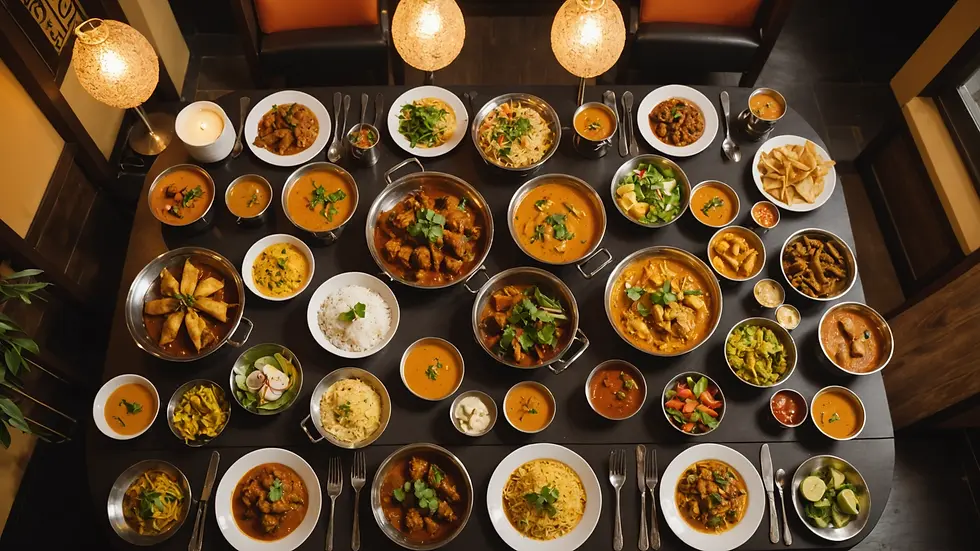
Health consciousness resembles that of Boomers, but Millennials also prioritize sustainability. Many choose organic and ethically-sourced ingredients, fueling the growth of health-focused cafes in Tamil Nadu, some boasting an increase of 30% in customer visits over the previous year.
Gen Z: Innovative and Individualized Choices
Gen Z, born from the late 1990s to the early 2010s, has a fresh and distinct relationship with food, heavily influenced by digital trends. They gravitate towards unique flavors, trying dishes like Korean fried chicken or vegan idli made from millet, showcasing their willingness to experiment.
This generation thrives on convenience and accessibility. With various food apps at their fingertips, they can explore options ranging from gourmet fast food to artisanal snacks. Reports show that about 40% of Gen Z consumers prefer ordering food online rather than dining out, indicating a shift toward digital convenience.
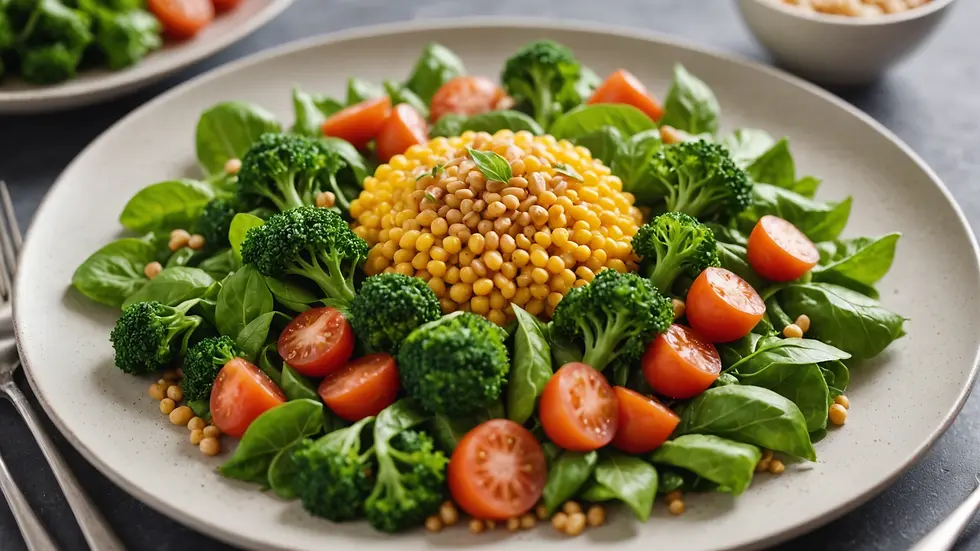
Moreover, Gen Z values customization, often personalizing their meals to suit their tastes and dietary preferences. Social issues, including environmental sustainability and food waste, weigh heavily on their choices, with a recent survey revealing that 75% of Gen Z actively seek out brands committed to social responsibility.
Reflecting on Generational Flavors
Examining the food habits of Baby Boomers, Millennials, and Gen Z in Tamil Nadu uncovers a colorful tapestry of tradition and innovation. Boomers hold onto their culinary roots while Millennials blend cultural dishes with modern tastes, and Gen Z embraces creativity and personalization.
As Tamil Nadu continues to evolve, recognizing these generational shifts in cuisine is vital. These evolving tastes reflect personal identities and broader societal transformations in the region. Embracing this diversity will pave the way for a more inclusive and experimental culinary future.



Comments